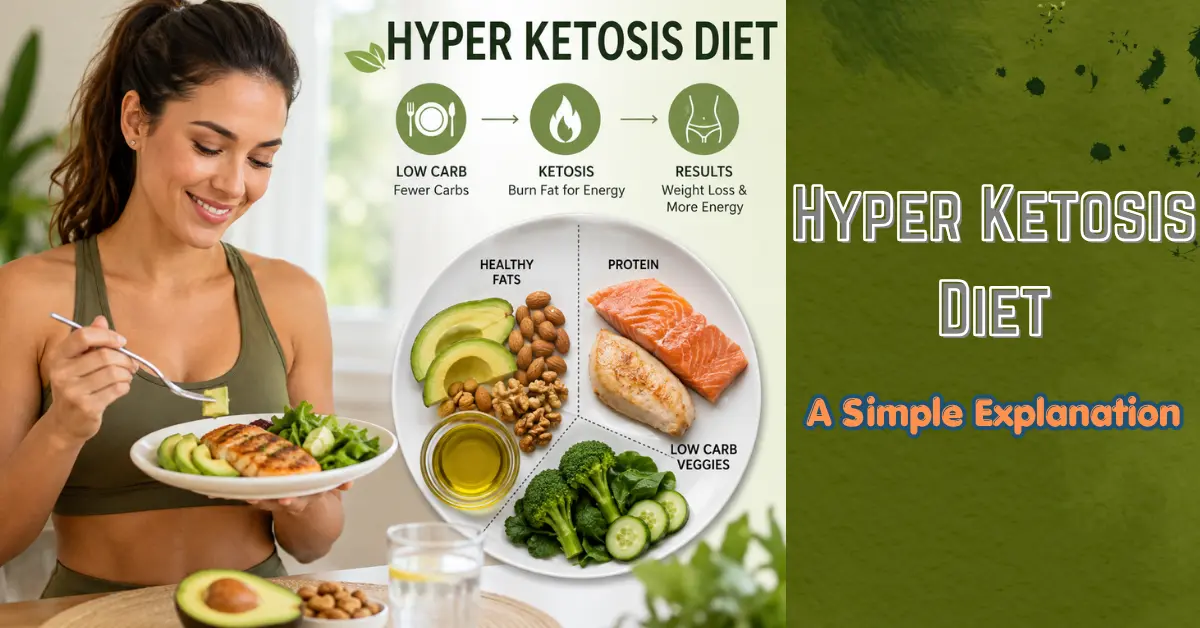
The Hyper Ketosis Diet has become a go-to choice for those seeking a faster, more demanding alternative to the well-known Ketogenic diet in today’s fast-evolving world of nutrition and weight-loss trends. This technique is promoted as one of the best ways to drive the body into a deeper state of ketosis, where fat becomes the primary energy source, hypothetically stimulating fat loss while boosting mental clarity and improving energy levels throughout the day.
The Hyper Diet Meal Plan has gained popularity among fitness supporters and biohackers looking for control, but the details matter: what exactly does it do, and how do you follow it safely and efficiently? In this review of the Hyper Keto Diet, we will explore what the Hyper Ketosis Diet is. How does it work? What it is for, what to eat, and how to avoid common mistakes.
⚡️The Ultimate Keto Meal Plan⚡️
Final Notice
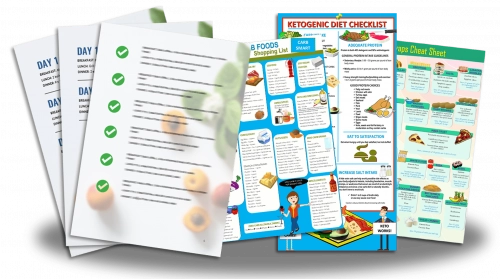
- Today, I’ve rounded up 21 of my favorite keto dishes for breakfast, lunch and dinner. You’re going to want to bookmark this list, as these recipes are totally drool-worthy.
- All recipes come with simple ingredients and easy instructions and you can download everything today for free.
- Sounds good?
- ==> Just click here to download your FREE copy of 21 yummiest keto recipes
- Your family and friends will love these keto recipes…
- And everything is 100% keto-approved and proven to speed up your ketosis.
What is Hyper Ketosis Diet?
The Hyper Ketosis Diet is an improved version of the current ketogenic diet, designed to induce the body into a much deeper state of Ketosis by significantly reducing carbohydrate intake. By focusing on elevated fat and very low-carb meals, this strategy changes the body’s crucial energy source from glucose to ketones, molecules generated from fat.
Consequently, the Hyper Ketosis Diet targets accelerated fat burning, helps to maintain constant energy levels, and improves mental clarity, which makes it an effective tool for those looking for quick weight loss or mental clarity enhancement.
Hyper Ketosis Diet vs Keto Diet
The Hyper Ketosis diet aims for a deeper blood ketone level by cutting carbs close to zero. In fact, it keeps dietary fat a bit lower, as you are on a regular keto plan. The Ketosis Diet squeezes carbs and is not overloaded with fat; the body is forced to rely on stored body fat for energy, which is believed to push ketone production higher.
While the traditional keto diet follows a balanced formula- high fat, adequate protein, and low carbs generally broken down into 70-75% fat, 20% protein, and only 5-10% carbs. This blend is sufficient to get your body into a normal range of nutritional ketosis, where it is burning fat for energy instead of carbs, but it does not try to reach an extreme level as the hyperketosis approach.
Thus, both the diet plans are created around low-carb intake and burning fat for fuel, but the Hyper Ketosis diet is a more powerful, strictly regulated version that reduces carbs even further and maintains fat consumption to try to improve ketone levels beyond what normal keto generally achieves.
How Does the Hyper Ketosis Diet Work?
What sets the Hyper Ketosis Diet apart from a typical keto plan is its sharp level of discipline, tighter macronutrient proportions, and the utilization of sophisticated strategies like intermittent fasting, MCT oil, and targeted supplementation. The components work collectively to drive the body into a more profound and constant state of ketosis for improved fat-burning and cognitive performance.
The Hyper Ketosis Meal Plan differentiates itself from typical Keto by challenging, especially low carbohydrate intake, normally under 20 grams of net carbs per day, linked with high fat intake, which makes up to 70 to 80% of daily calories. It highlights reasonable to low protein consumption, preventing gluconeogenesis, a process where extra protein is transformed into glucose, which may affect ketosis. Planned fasting, containing irregular or lengthy fasting, is designed to boost fat burning and increase ketone levels.
The Key Benefits of the Hyper Ketosis Diet
Studies show that the Hyper Ketosis Diet provides many health benefits, including weight loss, which is one of the most famous parts of this diet. By decreasing cravings and supporting satiety, the Hyper Ketosis diet can lead to lower calorie consumption and substantial fat loss, especially visceral fat, while protecting lean muscle mass.
The Hyper Ketosis diet shows the potential to support the management of several health issues, such as type 2 diabetes, metabolic syndrome, epilepsy, and neurodegenerative disorders like Alzheimer’s and Parkinson’s disease. The benefits make the Hyper Ketosis diet a powerful approach for both overall well-being and the prevention of diseases. Below are the potential health benefits of the hyper ketosis diet.
Epilepsy: Health professionals often use the Ketogenic diet as a tool for children with epilepsy, especially those who don’t respond well to medication. By changing the brain’s energy source from glucose to ketones, the Hyper Ketosis diet helps to stabilize neural function and reduce the brain’s nervousness, which can drastically lower the frequency of attacks.
Improves Other Neurologic Conditions: Studies show that the Hyper Ketosis diet can support the improvement of other neurological conditions like Alzheimer’s disease, autism, and brain cancers.
Type 2 Diabetes: The Hyper Ketosis Diet may be effective for people with type 2 diabetes as it helps to quicken fat burning and considerably reduces carbohydrate consumption. This methodology helps to balance blood sugar levels, improve insulin sensitivity, and support consistent weight loss.
Cardiovascular Disease: The Hyper Ketosis Diet can help to reduce the risk of heart disease by improving the impacts of standard keto. Through low-carbohydrate consumption and profound fat-burning states, it can decrease blood pressure, improve good cholesterol levels, and lower triglyceride levels, more accurately supporting better heart health and overall metabolic function.
Metabolic Disorder: The Hyper Ketosis diet may reduce the potential risk of metabolic syndrome, a group of conditions connected to heart disease, by raising the effects of typical keto. Through balanced carbohydrate restriction and improved ketone production, it helps better control blood sugar levels, reduce blood pressure, improve cholesterol levels, and decrease belly fat, all vital factors in preventing metabolic disorders.
The Hyper Ketosis Diet can boost attention and energy levels by increasing ketone production, which fuels the brain more efficiently than glucose. This deeper state of ketosis may help decrease inflammation and offer a stable, clean energy source, leading to improved mental clarity, stable energy levels, and improved mental performance.
Hyper Ketosis Diet Food List
The Hyper Ketosis Diet fosters a high-fat, low-carbohydrate practice to keep the body in a deep state of ketosis, where fat is burned for fuel. Strategic foods include fatty fish such as salmon, meats with rich fat content, eggs, cheese, non-starchy vegetables, avocados, nuts, seeds, and rich-fat dairy products. Healthy oils and dark chocolate with high cocoa content are also allowed.
While maintaining Ketosis, it is essential to avoid grains, starchy vegetables, sugary foods and drinks, most fruits, processed foodstuffs, alcohol, high-carb sauces, and legumes; all these can upset the fat-burning process by increasing carbohydrate consumption.
The Possible Side Effects of the Hyper Ketosis Diet
While the Keto diet offers many health benefits, ketosis can come with some side effects, especially in the starting phases. Common issues include the “keto flu”, which may cause headaches, tiredness, and gut disturbance. Other possible signs and risks include bad breath, constipation, insomnia, dehydration, and in some cases, more serious conditions like high cholesterol, low bone density, and kidney stones. These signs vary from person to person and are often manageable with proper guidelines and hydration.
What are The Safety Steps?
Jumping into the river of the Hyper Ketosis Diet without proper information can lead to hindrances. Common issues include overconsuming protein, which can convert to glucose and stop ketosis, and eating hidden carbs in packaged foods. Lacking replacement electrolytes like sodium, potassium, and magnesium can create fatigue and cramps, while not drinking enough water can lead to dehydration. Avoiding fiber is another problem, often causing constipation. Staying on track means focusing on stable macros, hydration, and nutrient-rich, low-carb whole foods.
Who Should Avoid the Hyper Ketosis Meal Plan?
Though this diet has many health benefits, the Hyper Ketosis diet is not for everyone. People with the following health problems must consult with a doctor before adding this diet to their daily routine:
- Pregnant or breastfeeding moms
- Individuals with Kidney or Liver problems
- Individuals with Type 1 Diabetes
- People experiencing eating disorders.
- Blood Sugar medication or Insulin patients.
Conclusion:
The Hyper Ketosis Diet is a next-level nutritional strategy for those who want to achieve their quick weight loss goal, consistent vitality level, and mental clarity. By going beyond the typical Ketogenic version, the Hyper Ketosis Diet taps into the complete potential of your metabolism, which requires strict discipline, thorough planning, and a total awareness of your body’s indications.
Though this diet is not suitable for everyone, for the perfect person, the Hyper Ketosis Diet can be a powerful and transformative technique for health, performance, and energy. As a sensible approach, must consult with a healthcare professional before adding any new nutritional strategy and listen to your body along the journey.
FAQ
How to Start a Hyperketosis Diet?
To start a hyperketosis meal plan, maintain your daily carb intake at less than 20 grams, organize your meals around high fat and adequate protein, and follow intermittent fasting windows to support accelerating the shift into ketosis.
How to increase Ketones naturally?
To boost ketone levels naturally, you need to bring down your body’s glucose and insulin levels, indicating to convert carbs into a fat-burning process for energy purposes.