
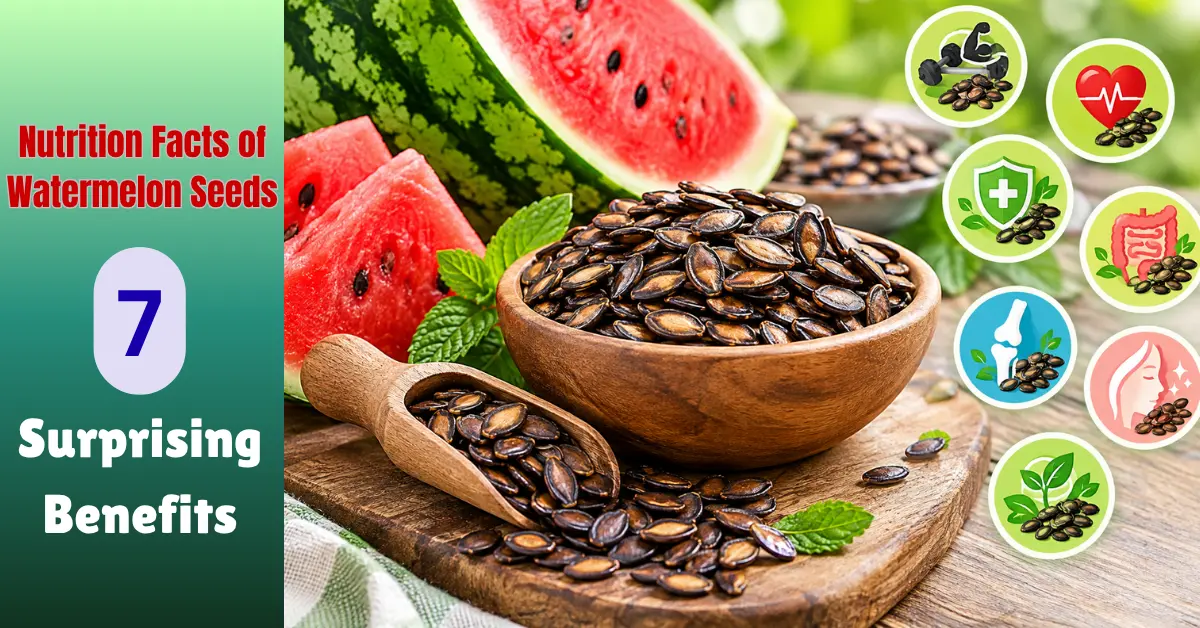
Did you know watermelon seeds are more than just seeds you throw out when you eat watermelon? These tiny seeds offer several nutritional benefits that may support overall health and wellbeing. The nutrition facts of watermelon seeds disclose remarkable properties of plant-based protein, healthy fats, magnesium, zinc, iron, and other essential nutrients that contribute to a balanced diet.
Rather than throwing out the tiny seeds, you can roast them and make crunchy, tasty snacks that may provide nutritional needs and satisfaction. You can enjoy them by adding them to salads, smoothies, or trail mixes, incorporating watermelon seeds into your daily diet routine; you can enhance your nutrient intake and can discover the hidden benefits for your overall health.
Nutrition Facts of Watermelon Seeds
When focusing on the nutrition facts of watermelon seeds, the tiny seeds are rich in essential nutrients that support overall health. They provide organic protein, healthy fats such as omega-3 and omega-6 fatty acids, and essential minerals such as zinc, magnesium, copper, iron, and potassium. These key essential nutrients directly support the immune system, cardiovascular health, and normal energy production.
While discovering the nutrition facts of whole watermelon and the nutrition facts of watermelon juice, which may help you understand the nutritional value of different slices of this delicious fruit, watermelon seeds provide their own exceptional benefits. However, roasted watermelon seeds have calorie-dense properties, so it is essential to use them in balance. Understanding the nutritional facts of watermelon seeds can help you to add them to your daily diet plan cautiously and adore their nutritional benefits as part of a balanced eating plan.
Health Benefits of Watermelon Seeds
Watermelon seeds are packed with nutrients like Folate, iron, zinc, copper, and magnesium, delivering over 140% of the daily requirements per cup, and the potassium makes them a source of essential minerals. These seeds are a great source of amino acids, protein, and vitamin B-complex, which equally support several body functions. From supporting metabolism to boosting bone mineral density, the nutrition facts of watermelon seeds underline their effective role in helping overall health and wellness.
Let’s discover how adding these tiny seeds to your diet can deliver greater health benefits.
Nutrition Facts of Watermelon Seeds
Enhance Skin Texture: Snacking on roasted watermelon seeds can be amazingly helpful for nourishing and glowing skin. Their essential fatty acids, antioxidants, and minerals such as zinc and magnesium may help to avoid acne, maintain moisture levels, and protect the skin from premature aging.
Incorporating these seeds into your daily diet can boost skin elasticity, keeping it stable and youthful for a long time. The nutrition facts of watermelon seeds and their advanced properties of skin-friendly nutrients make them a remarkable addition for maintaining clear, hydrated, and glowing skin.
Improve Hair Health: If you are exploring the nutrition facts of watermelon seeds, protein, iron, magnesium, and copper are the key nutrients that maintain hair health. Protein helps the formation of hair strands and supports growth, while iron supports the transfer of oxygen to hair follicles, supporting stronger and healthier strands.
Magnesium prevents split ends and breakage by strengthening the hair shaft, and copper improves melanin production, which helps keep the hair’s natural color, maintaining it silky and smooth. To explore the nutrient facts of watermelon seeds, they are an incredible source of these vital nutrients, making them a useful snack for promoting long, strong, and radiant hair.
Improve Cardiovascular Health: Understanding the nutrition facts of watermelon seeds shows their incredible health benefits, especially for heart health. These small seeds are packed with monounsaturated and polyunsaturated fats, which studies show are beneficial to bad cholesterol and shield the heart. These seeds have magnesium, essential for maintaining healthy blood pressure, and iron, which supports the movement of oxygen in the body.
The antioxidant and anti-inflammatory elements in watermelon seeds provide extra support to heart wellness. Additionally, zinc content plays a crucial role in regulating calcium influx into the heart cells, which is essential for the heart’s functioning.
Reduces Blood Sugar Level: Exploring the nutrition facts of watermelon seeds shows their effective role in supporting healthy blood sugar levels. These small seeds are connected to improving blood sugar levels and reducing insulin resistance, which are the two main concerns for people with diabetes.
Watermelon seeds are a great source of magnesium and help to regulate carbohydrate metabolism, which directly affects blood sugar levels over time. The effective nutrition facts of watermelon seeds provide a simple but effective method to support metabolic health.
Supports Immune System: Watermelon seeds are a nutritional hub that is packed with beneficial iron and minerals that play a pivotal role in enhancing immunity. Furthermore, the nutrition facts of watermelon seeds show that these are a great source of B vitamins, known for their capability to support immune function and overall health. By adding watermelon seeds to your routine diet, you not only get a delicious snack but also help to strengthen your body’s natural resistance power.
Protects against osteoporosis: In osteoporosis, bones become weaker and lose strength, increasing the risk of fractures. One of the natural solutions to prevent bones from weakening early is to add dried watermelon seeds to your daily diet. The nutrition facts of watermelon seeds emphasize their remarkable magnesium properties, delivering over 140% of the daily recommended intake, which plays a vital role in maintaining stronger bones. These small seeds are also a great source of copper, manganese, and potassium, all of which help to enhance bone mineral density and overall skin strength.
Improves Nervous System: Watermelon seeds are rich in B vitamins, which are essential for maintaining a healthy nervous system and brain function. The vitamins comprising niacin, folate, thiamine, and riboflavin support energy production, enhance mental functions, and also help in regulating the mood. The nutrition facts of watermelon seeds show that incorporating them into your routine diet can help remarkably with neurological health, making them a natural solution for the brain.
Enhance Vitality Level: Watermelon seeds are a great source of plant-based protein. But do you know what makes this protein so helpful? It is the superior-quality amino acids that they include. Just one cup of watermelon seeds can provide a healthy protein boost, supporting you in rebuilding tissues and muscle growth. They are a good choice for a post-exercise snack or mid-day energy boost. However, they are high in calories, and eating excessive amounts may result in weight gain, so make sure to eat them in moderation.
Enhance Male Sexual Health: Watermelon is packed with citrulline, an amino acid that may support better erections. The male enhancement medicine Viagra works by boosting blood flow to the penis area through a certain process. Citrulline can achieve the same effect, though in a different way. Initial research suggests that the body changes citrulline into another amino acid, arginine, which is then changed into nitric oxide, which helps to relax and widen the blood vessels, improving the blood circulation to the penis and boosting erectile function.
As the nutrition facts of whole watermelon show, it contains mostly water; the main focus of citrulline is found in watermelon juice. Men seeking to try watermelon as a natural alternative to Viagra can find better results by understanding the nutrition facts of watermelon juice rather than the fruit itself.

How to Use Watermelon Seeds Appropriately?
The best use of the watermelon seed is roasted, because this method provides real benefits and a nutty flavor while boosting the nutritional benefits. The technique of roasting watermelon seeds is simple and quick. Heat your oven to 325°F (160°C), spread the seeds evenly on a baking sheet, and roast them for almost 15 minutes. Be sure to blend them halfway through to confirm they roast evenly.
To make the seeds more delicious, consider wetting them with olive oil and shaking them with salt, or get original with flavors by adding a touch of cinnamon and sugar for a sweet twist. If you want to make something special, like spicy, adding lime juice, chili powder, or cayenne pepper can add a thrilling touch.
Possible Side Effects of Excessive Use of Watermelon Seeds
While watermelon seeds are packed with essential nutrients, as the nutrition facts of watermelon seeds show, the excessive use of these seeds can lead to constipation or some digestive discomfort. Due to high fiber content, specifically insoluble fiber, consuming too many seeds can create bloating, constipation, and stomach gas. In some cases, allergies may arise due to the excessive use of seeds, which leads to skin rashes or irritation.
It is also important to note that the hard outer cover of watermelon seeds can pose a choking threat, especially for young children. Additionally, watermelon seeds contain phytic acid, which can decrease the absorption of minerals like zinc and iron if eaten in large amounts.
Conclusion:
Watermelon is largely a healthy fruit, and when it comes to its nutrition facts, watermelon seeds are a small powerhouse that provides more health benefits. The watermelon seeds have citrulline and lycopene, which are known for supporting lower blood pressure, improving metabolic health, and alleviating muscle pain after exercise.
Not only are they rich in these effective plant-based compounds, but watermelon seeds also provide essential nutrients like protein, magnesium, and healthy fats. Linked with watermelon’s organic sweetness and high-water content, they make a hydrating, nutrient-rich snack and the perfect choice for a balanced diet.
Frequently Asked Questions:
How many watermelon seeds should I eat daily?
A standard serving of watermelon seeds is about 28 grams – 1 ounce. This quantity may provide you with valuable nutrients and help you manage calorie consumption as part of a balanced diet.
Is watermelon good for dieting?
Yes, watermelon is a great choice for weight loss and dieting for its low calories and high water content, which helps you to stay hydrated and feel full while managing your calorie consumption.
Can I eat 2 kg of watermelon a day?
Yes, you can eat 2 kg of watermelon a day, but it provides almost 600 calories and 120 grams of naturally occurring sugar. Hence, it is suitable to enjoy watermelon and should not replace it with balanced meals containing protein and healthy fats.
Does eating watermelon increase nitric oxide?
Yes, watermelon may help enhance nitric oxide levels because of its L-citrulline – an amino acid that the body changes into L-arginine, which the body then uses to produce nitric oxide. Nitric oxide relaxes the blood vessels, which supports healthy blood flow, and boosts testosterone levels in the body, resulting in improved erections for men and better sexual performance.
What do 1000 calories of watermelon look like?
A medium- to large-sized 3.3 Kg (7.3 pounds of watermelon (flesh) contains 1000 calories.