

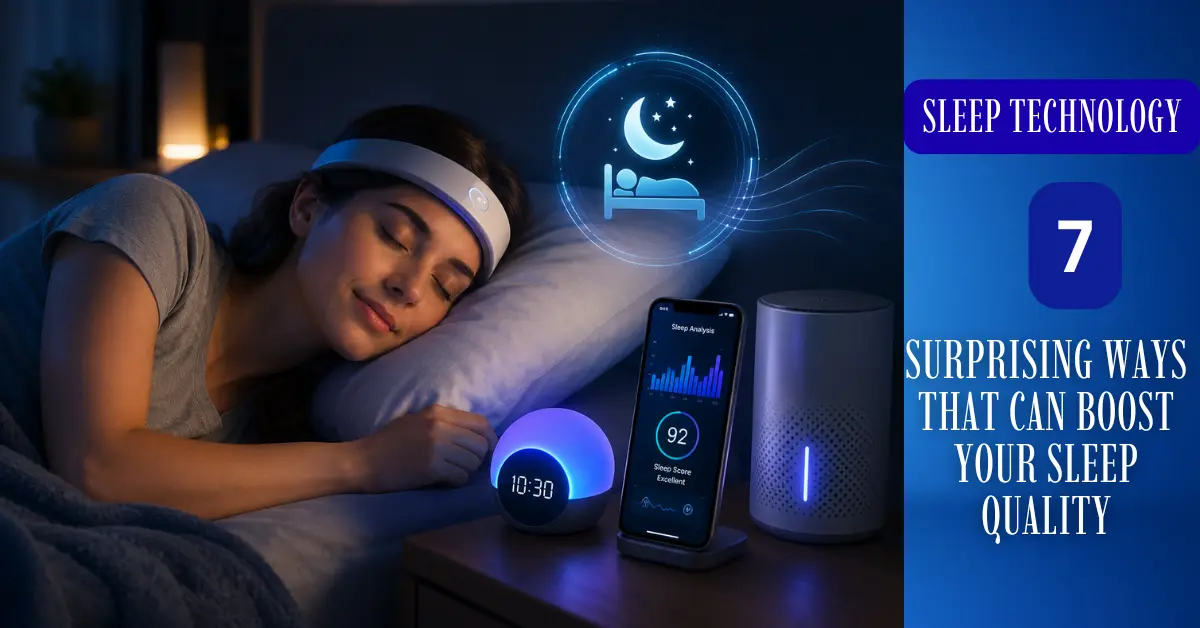
Sleep technology is changing the way people monitor, understand, and improve their sleep for better overall health and wellbeing. With quick expansions in wearable devices, smart mattresses, and AI-generated sleep tracking systems, people can now access complete insights into their sleep patterns and make better changes to enhance the quality of their sleep. These advanced technologies not only help to identify potential sleep disorders at an early stage but also provide workable, data-driven recommendations to improve the quality of sleep patterns.
Sleep Hacking: Fall Asleep in 10 Minutes
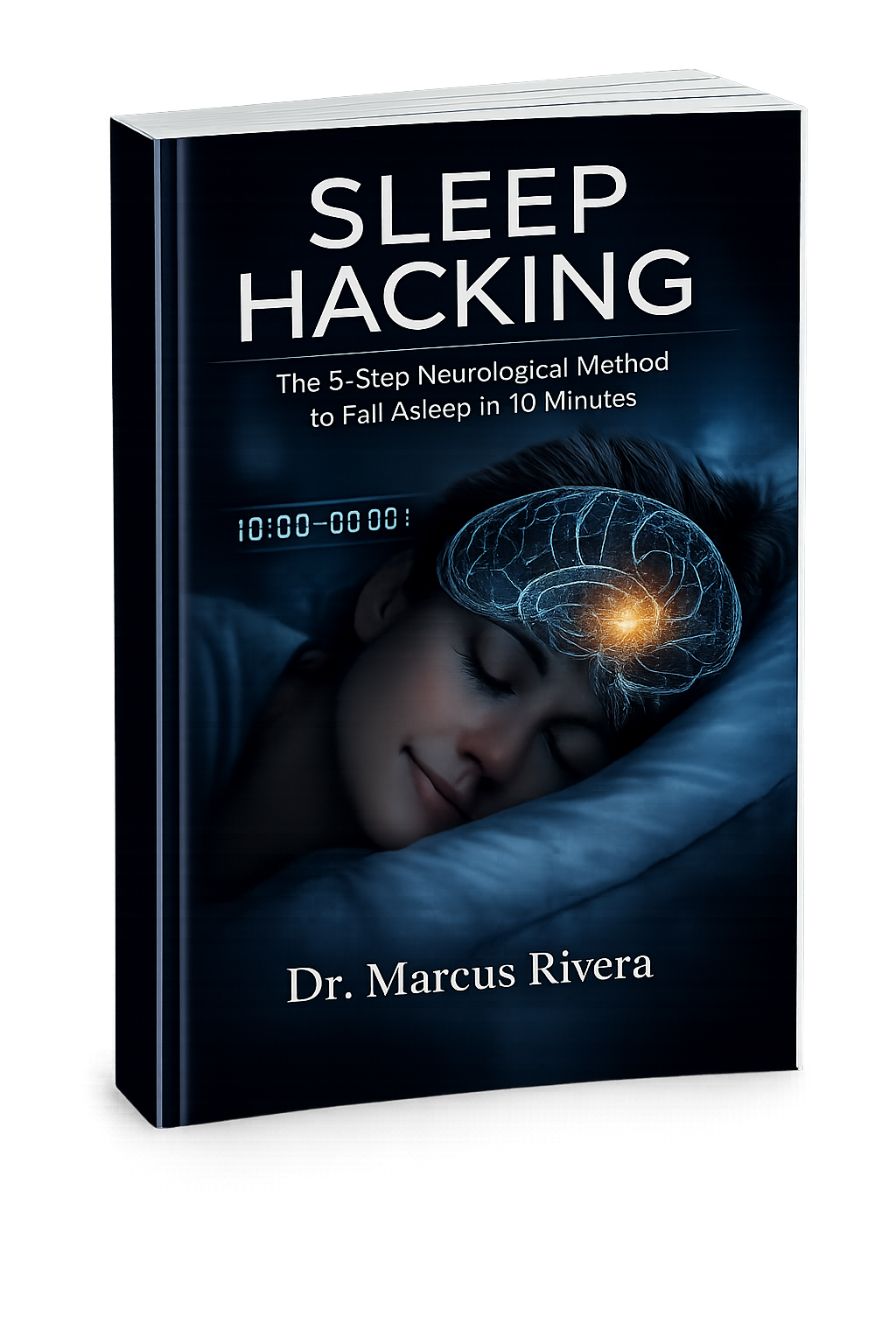
The 5-Step Neurological Method That Changed Everything
- Hi, I’m Dr. Marcus Rivera. For 15 years, chronic insomnia destroyed my career as an ER physician, nearly ended my marriage, and pushed me to the brink. I tried it all — Ambien, melatonin, sleep studies, meditation apps, every expensive mattress and blackout curtain on the market. Nothing worked for more than a few nights.
- Then, at 3:47 AM, after 6 hours lying awake, I discovered the real reason 89% of insomniacs never find lasting relief. It’s not a sleep hygiene problem. It’s a neurological one. Your brain’s alert system gets stuck in overdrive, flooding your body with cortisol at precisely the moment it should be winding down. I spent years developing a 5-step protocol that shuts that system down in 10 minutes. The result: I now fall asleep within 10 minutes, sleep 7–8 hours straight, and feel more energized than I did in my thirties.
As the awareness of the importance of sleep continues to grow, sleep technology is becoming a basic part of modern lifestyles, making soothing and peaceful nights more practicable than ever. In this review, we will explore recent developments in sleep technology, their impact on sleep health, and the future trends shaping this rapidly evolving industry.
How does Sleep Technology work?
Sleep technology controls several networks and artificial intelligence to check and improve the quality of sleep. These devices range from easy wearable fitness trackers to modern hospital-grade clinical equipment. By analyzing metrics such as heart rate, movement, and breathing patterns, AI-driven systems can identify sleep trends and provide tailored recommendations to improve rest. This sleep technology not only helps people to enhance their sleep patterns but also supports healthcare professionals in finding and then managing sleep disorders more successfully.
In contrast, clinical sleep-monitoring devices are mainly used in medical environments to collect detailed physiological data. These innovative systems use particular sensors placed on the body to calculate key metrics such as brain activity, respiratory function, and muscle movements. By evaluating this data, sleep drug experts can precisely diagnose and treat different types of sleep disorders, providing a level of fact and accuracy that beats consumer-grade devices. This wide-ranging method allows health professionals to create effective treatment plans, improving patient results and overall sleep health.
What types of Sleep Technology Work?
Sleep technology can contain a wide range of devices to enhance sleep quality. These devices may focus on different phases of sleep, like tracking sleep patterns, generating a relaxed sleep environment, and promoting rest.
Smartwatches: Well-known brands like Apple Watch, Fitbit, and Garmin introduce cutting-edge sleep tracking features that evaluate sleep cycles and provide a valuable understanding of sleep quality. These devices use high-tech sensors to check aspects like heart rate, movement, and oxygen levels, aiding users to find patterns and make wise decisions to improve their peaceful sleep.
Sleep Monitoring Rings – The Qura Ring is largely known as a sleep-tracking device designed to enhance soothing sleep by monitoring key metrics. It monitors sleep time, heart rate inconsistency, and body temperature, providing users with complete data about their sleep patterns. With advanced features like a solid, ring-shaped design and the latest sensors, the Qura Ring offers a tailored recommendation to help users enhance their sleep patterns and well-being.
EEG-Based Headbands: Devices such as Muse and Dreem use electroencephalogram (EEG) technology to monitor brain function during sleep, providing a complete perception of sleep phases. By evaluating this data, they offer tailored views and advice to support users in enhancing their sleep quality and overall health.
Non-Wearable Sleep Monitors
The individuals who don’t want to wear a device while sleeping, non-wearable sleep trackers provide an operative solution. These groundbreaking sleep technology solutions are designed to monitor sleep patterns without direct connection with the users.
For individuals who prefer not to wear a device while sleeping, non-wearable sleep monitors offer an effective alternative. These devices are placed under the mattress or on a bedside table to collect sleep data. Some of the non-wearable sleep technology methods are below:
White noise machines: White noise machines produce fixed sounds that help to cover background noise, making it comfortable to fall and stay asleep. This kind of sleep technology is helpful for light sleepers or those in sound environments. With possibilities such as rain, ocean waves, or static, these tools help relaxation and reduce sleep interruptions.
Smart Mattresses: Smart mattresses may be utilized to enhance sleep relaxation through innovative sleep technology. These mattresses may adjust density and warmth according to your preferences. Some of the models even have sensors that monitor sleep patterns and body activity. Smart mattresses can be regulated through smartphone apps, enabling users to adjust their sleep atmosphere. Products such as the Sleep Number can be managed to recognize these features.
Wake-Up Lights: Wake-up lights is the copycat of natural sunrise, slowly rising illumination to promote a soft wake-up experience. This method is often more charming to boost relaxation before sleep. Renowned options, such as those from Philips, combine light therapy with relaxing sounds for a more disturbance-free sleep cycle.
Sleep apps: Sleep apps are smartphone applications that can help to improve the quality of sleep. Some apps can provide guided considerations, sleep noise, and bedtime prompts. Many sleep technology apps are equipped with sleep monitors to provide complete information about sleep behaviors. Famous sleep technology apps, namely Calm, Headspace, and Sleep Cycle, can provide different devices to enhance sleep quality.
Weighted Blankets: Weighted blankets may provide a soothing effect by applying gentle pressure to the body. This weight, known as “deep touch pressure,” can reduce stress levels and promote rest. Weighted blankets have been used commonly to improve sleep quality for individuals with insomnia or anxiety. The weights typically used range from 5 to 30 pounds and can be applied as per your body weight.
Blue Light Preventing Glasses: Blue light-blocking glasses usually filter out blue light produced from screens, which can affect your body’s natural sleep cycle. Using these glasses in the evening can keep your body’s production of melatonin, a hormone that adjusts sleep patterns. By reducing the blue light display, these glasses can make it easier to fall asleep. This may be particularly beneficial if you use electronic devices before going to bed.
Temperature-Controlling bedding: Temperature-controlling bedding may help maintain a relaxed sleep temperature during the night. These sheets, blankets, and pillowcases avoid excessive heat and promote disturbance-free sleep. Famous brands such as SHEEX provide a cutting-edge option designed for optimum temperature stability.
Aromatherapy diffusers: Aromatherapy diffusers are the most famous sleep technology that uses essential oils like lavender and chamomile to create a soothing sleep atmosphere. These tools diffuse essential oils into the air, promoting rest and making it comfortable to fall asleep naturally.
Smart Pillows: Smart pillows are a groundbreaking sleep technology aimed to boost relaxation and provide help for better quality posture. Some models have quality built-in speakers for restful sounds, while others use peaceful vibration alarms to awaken users without upsetting their sleep patterns. If you are going through sleep difficulty, try one or a combination of these sleep technologies to improve the quality of sleep. Consulting with sleep experts can guide the best option for your needs.
What are the Key Benefits of Sleep Technology?
Sleep technology offers a valuable solution for those experiencing sleep disorders. Sleep technology devices like smart mattresses, white noise machines, and sleep trackers can help you boost sleep quality. For individuals with sleep complaints like apnea or restless legs syndrome, sleep technology can provide more benefits by promoting better health and relaxation. Here are some significant benefits:
Enhanced Sleep Monitoring: Gadgets such as fitness and smart beds can provide comprehensive data about sleep phases while sleeping, which makes it a key element of innovative sleep technology. These innovative devices use sensors and AI-supported analytics to monitor sleep patterns, identify troubles, and offer tailored suggestions for boosting sleep quality. By incorporating sleep technology into everyday life, you can gain a profound understanding of sleep health and make a data-driven decision for a more peaceful and restorative night’s rest.
Personalized Recommendation: The innovative system may modify suggestions as per the individual’s sleep requirements, boosting the efficacy of prevailing sleep technology. By scrutinizing data from wearable devices, smart mattresses, and sleep-monitoring apps, the systems can detect patterns and provide personalized recommendations to make better quality of sleep. Sleep technology controls AI and machine learning to modify the user’s habits, ensuring perfect vision and complete solutions for better rest and overall well-being.
Improved Sleep Environment: Products that control light, noise, and temperature can support a peaceful atmosphere, making them vital elements of sleep technology. Advancements like smart lighting systems and white noise machines. By integrating sleep technology, people can modify their sleep patterns to connect with their natural paces, reducing troubles and improving overall sleep quality. These developments provide a tailored approach to relaxation, supporting users to achieve deeper and more soothing sleep.
Valuable Features: Devices contain features like peaceful wake-up alarms that can enhance the morning schedule, making them a useful part of sleep technology. These smart alarms use dim lights and gentle sounds to stimulate a natural sunrise, supporting users to wake up feeling relaxed instead of being jerked by a noisy alarm. By incorporating sleep technology into their routine life, the individual can improve their sleep-wake patterns, reduce fatigue, and promote healthier morning behaviors for improved overall well-being.
What Are the Challenges and Concerns about Sleep Technology?
Though sleep technology provides multiple health benefits, it also presents many challenges. Sleep tracking devices often lack clinical care, which can lead to misreading of sleep quality. Moreover, privacy concerns arise as these devices save sensitive biometric data, raising questions about data confidentiality and safety. Extra dependence on technology for sleep betterment can also raise emotional reliance, which potentially upsets natural sleep patterns. Additionally, the growing expansions in sleep technology can make it less accessible to several users due to high prices and limited access.
What is the Future of Sleep Technology?
The future of sleep technology looks bright with consistent growth, which determines the roadmap for how people can understand and improve their sleep quality.
AI and Machine Learning Developments in Sleep Tracking: Future sleep trackers will most probably add artificial intelligence to provide more perfect and detail-oriented data results.
Combination with Healthcare and Medical Examining: Sleep technology is most probably to become more united with healthcare networks, helping in diagnosing and addressing sleep disorders.
Potential Advancements in Sleep-Generating Technology: Beneficiaries of technology are searching for new techniques, such as Neurofeedback devices and non-invasive brain stimulation, to improve sleep naturally.
Conclusion
Sleep technology is transforming how people track and improve their sleep, providing an understanding through wearable devices, smart home networks, and sleep-motivated apps. These inventions help to enhance sleep quality, although worries about accuracy, confidentiality, and price remain. Nevertheless, with consistent developments in AI and healthcare, sleep technology is becoming more accurate, reachable, and efficient in promoting healthy sleep patterns.
As technology spreads, controlling sleep technology considerably can drastically boost relaxation and overall well-being. By taking accurate tools, whether it is wearable trackers, smart sleep systems, or AI-focused apps, individuals can attain a valuable understanding of their sleep patterns and make up-to-date changes. Spotlighting quality sleep not only improves physical and mental health but also enhances output and overall quality of life.