Inflammation is the body’s natural resistance system, while critical inflammation is the body’s quick response to injuries such as cuts or burns. An anti-inflammatory diet for weight loss is designed to support the body in reducing chronic inflammation.
The immune system discharges chemicals to raise blood circulation and immune cells – the cells that clean harmful elements in the affected area. This process normally stops after a few days, when the healing process is complete. Chronic inflammation occurs when this response is ‘on’ for a long period of time, contributing to the incomplete release of inflammatory cells that destroy healthy cells, resulting in persistent infections, such as rheumatoid arthritis and lupus, or lifestyle issues like smoking and obesity.
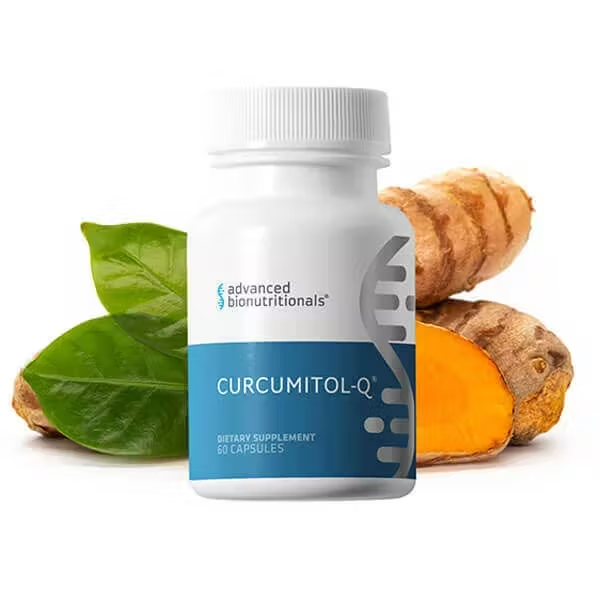
Curcumitol-Q = A Groundbreaking Support Formula for Inflammation
Is Inflammation & Pain Ruining Your Life?
- Curcumitol-Q is a breakthrough supplement formulated with advanced curcumin technology to support joint comfort, reduce inflammation, and enhance overall mobility.
- Millions of people suffer from chronic inflammation. Left unchecked, inflammation steals your energy. It can damage healthy cells, tissues, and organs. Over time, it can lead to DNA damage.
- What’s more, inflammation is linked to the development of several serious health problems. If you are experiencing aches, pains, brain fog, digestive issues, rashes and acne, or headaches, then it’s time to consider if inflammation is taking over your life.
- Some simple lifestyle changes can immediately begin to reduce inflammation. But one of the easier and fastest ways to start is to take a “superpower” curcumin supplement.
- Studies have shown that this curcumin breakthrough formula fights inflammation in an entirely new way.
What is an Anti-Inflammatory Diet for Weight Loss?
An anti-inflammatory diet for weight loss highlights the importance of nutrient-rich, whole foods that help for maximum health benefits while obviously reducing extra body fat. Its main objective is to lower chronic inflammation by enhancing the consumption of fiber, vitamins, minerals, essential fatty acids, and phytonutrients. This method emphasizes fresh, slightly processed foods and healthy fats that are packed with antioxidants and improve the body’s function more effectively.
Before counting calories, the anti-inflammatory diet for weight loss helps for a balanced consumption of macronutrients, carbohydrates, proteins, and healthy fats to enhance sustainable energy and overall health. This technique is not temporary, but it focuses on long-term assurance of better health and efficient weight management.
Anti-Inflammatory Diet Plan for Weight Loss and How it Works?
The anti-inflammatory diet plan for weight loss focuses on the importance of incorporating the foods that are established to reduce inflammation while limiting those that can accelerate it. Being a preventative anti-inflammatory diet plan for weight loss, this approach is better perceived as a safe lifestyle change that helps the body’s natural ability to manage substandard, chronic inflammation.
It aids the regular intake of nutrient-rich, whole foods such as lean, a variety of vegetables and fruits, nuts, seeds, and natural unsaturated fats, all of which provide nutrients and efficient antioxidants. At the same time, it denies the consumption of cruelly processed foods, refined sugars, and harmful fats that can lead to inflammation and avoidable weight gain.
By encouraging balanced nutrition and cautious food selection, the anti-inflammatory diet plan for weight loss not only helps in gradual and natural weight loss but also boosts overall well-being, improves energy levels, and provides long-term health benefits.
How to Use an Anti-Inflammatory Diet to Lose Weight
An anti-inflammatory diet for weight loss aids in a constant and practical solution by emphasizing long-term health instead of quick fixes. While eliminating processed foods and added sugars and, on the other hand, increasing consumption of fruits, vegetables, and whole grains can improve overall wellbeing, weight loss can’t occur instantly.
This technique draws attention toward thoughtful eating and quantity control, as it does not strictly restrict calories. Diet forms like the Mediterranean diet, often related with the anti-inflammatory advantages, may also help with healthy weight management. Subsequently, chronic inflammation is associated with obesity; reducing it can help with weight loss over time. By applying an anti-inflammatory diet plan, you not only accomplish a better weight loss goal but also protect your body from conditions that may hinder your growth.
What are the Best Anti-Inflammatory Foods?
Although there is no single superfood that can change your health within a few days, proper reduction of inflammation shows after consistent usage and through long-term choices. By applying a balanced, anti-inflammatory-rich diet of foods such as fruits, vegetables, healthy fats, whole grains, and lean proteins, you can step-by-step enhance your body’s ability to repair and flourish. If you add an inflammatory diet and consume nutrient-rich foods below:
Omega-3 Fatty Acids: One of the strongest inflammation fighters that exists in the form of fatty fish such as salmon, herring, sardines, striped bass, and tuna. Consuming this fish or taking it in the shape of a supplement two or three times a week can remarkably reduce inflammatory indicators. For those looking for a vegetarian diet, plant-based omega-3 sources such as chia seeds, flaxseeds, and walnuts provide alpha-linolenic acid (ALA), which the body can convert into the active forms. EPA and DHA provide the same anti-inflammatory benefits over time.
Nuts and Seeds: Nuts and seeds are excellent sources of anti-inflammatory components that provide a blend of healthy fats, antioxidants, and protein. Nuts such as walnuts and almonds help reduce inflammation because they have Vitamin E and Omega-3 fatty acids. Also, seeds such as sunflower, chia, and flaxseeds are full of fiber and polyunsaturated fats, which have the power to decrease inflammation efficiently.
Whole Grains: A study discovered that people who eat whole grains in balanced quantities have lower inflammatory markers. Whole grains are a rich source of many nutrients, which makes them anti-inflammatory foods. Also, it is a big source of vitamins and antioxidants that counterbalance prolonged inflammation. Whole grain consumption regulates blood sugar levels as it has a low glycemic load, so it would not increase insulin levels.
Antioxidant-Rich Fruits: Fruits are a rich source of antioxidants that slightly reduce inflammation by neutralizing harmful free radicals. Berries such as blueberries, strawberries, and raspberries are great choices. Fruits are rich in anthocyanins that contain anti-inflammatory properties. Other citrus fruits, such as lemon and orange, deliver the best amount of vitamin C, which is crucial to boost the immune system and deactivate oxidative stress.
Significance of Vegetables: Vegetables are the main hub of an anti-inflammatory diet, which provides lots of fiber, vitamins, minerals, and strong antioxidants. Leafy green vegetables such as kale, spinach, and Swiss chard are specifically beneficial, as they have compounds like beta-carotene and polyphenols that help the body to ease inflammation. Broccoli is recognized as one of the best superfoods due to its sulforaphane properties – a crucial antioxidant that fights against chronic disease by reducing inflammatory cytokines. If you regularly add different kinds of vegetables into your daily meal plan, you can align their complete anti-inflammatory potential that will address your health problems for a long time.
What are the Advantages of an Anti-Inflammatory Diet for Weight Loss
An anti-inflammatory diet for weight loss offers several health benefits, which support your body in reducing inflammation and functioning actively. Below are the evaluations on how an anti-inflammatory diet for weight loss helps to improve overall well-being:
Improve Heart Health: An anti-inflammatory diet is strongly connected with a lower risk of heart disease. Its nutrient-rich properties, such as fruits, vegetables, whole grains, and natural fats, help to reduce damaging cholesterol levels and improve blood circulation through the blood vessels.
Lower Risk of Chronic Diseases: Embracing an anti-inflammatory diet for weight loss can reduce the risk of chronic diseases such as cancer, depression, and Alzheimer’s. The antioxidant and bioactive properties of an anti-inflammatory diet may help to protect the cells from harm.
Improve Cognitive and Mental Health: An anti-inflammatory diet for weight loss contains omega-3 fatty acids and antioxidant-rich foods that boost brain health, improve memory, and overall cognitive health and clarity. An anti-inflammatory diet has also been connected with lower rates of depression and enhanced emotional balance.
Regulate Blood Sugar Levels: An anti-inflammatory diet for weight loss helps to normalize blood sugar levels by reducing insulin resistance and supporting individuals at risk of type 2 diabetes.
Relief to Inflammation: This kind of dietary method may help to alleviate conditions like rheumatoid arthritis and endometriosis by reducing the inflammation level inside the body, which helps to reduce discomfort and severe pain.
Boost Immunity and Gut Health: An anti-inflammatory diet is a rich source of fiber and essential nutrients, which supports a healthy gut microbiome and strengthen the immune system.
Promote Natural Weight Loss: The anti-inflammatory diet contains foods that are scientifically proven track record to reduce inflammation. This anti-inflammatory diet plan for weight loss opposes an inflexible eating behavior and helps the body to reduce inflammation. In an anti-inflammatory diet plan, lean protein, vegetables, fruits, nuts, seeds, and unsaturated fats are preferred over processed meals and sugar.
Is an anti-inflammatory diet plan Fit for Everyone?
An anti-inflammatory diet plan for weight loss can be a suitable and viable approach while improving your eating behaviors. By promoting whole, nutrient-rich foods, which helps to reduce inflammation and improve metabolism. However, this way of diet plan is not fit for all, especially people living with different health issues, such as gastrointestinal syndrome, such as gastroparesis, or genetic problems like familial hypercholesterolemia, in which high fiber and fat intake is needed strictly.
Furthermore, nutritional needs vary from person to person, so it is vital to consult with a dietitian or healthcare professional to check if an anti-inflammatory is right for you or not. Overall, it is generally advised for individuals with chronic inflammation or its related concerns.
Final Verdict
In conclusion, an anti-inflammatory diet for weight loss is a practical, balanced, and long-term method for healthy living that aligns with ordinary guidelines, only with a close focus on reducing inflammation. By placing fruits and vegetables, whole grains, healthy fats, and plant-based organic proteins while restricting processed foods, you can boost overall health and minimize the risk of chronic diseases. Easy and simple changes by picking up vegetables, fish, and carbohydrates for whole grains, using olive oil, and avoiding meat intake can create a great change over time. So, the anti-inflammatory diet for weight loss is not about restrictions, but about making smarter, useful choices that promote long-term wellbeing.
Frequently Asked Questions:
What to Avoid for an Inflammation Diet?
You should avoid white bread, pastries, sweets, red meat, dairy, processed meat, fried foods, soda, and processed drinks.
What are the indications that your body has inflammation?
The basic signs of inflammation are redness, heat, swelling, discomfort, and loss of function. These signs occur as the body’s immune system reacts to injury, infection, or irritation, resulting in increased blood flow and fluid accumulation in the affected areas.
What foods cause inflammation?
The foods that cause inflammation include processed meats, bacon, hot dogs, lunch meats, and cured meats. Refined grains such as white bread, white rice, pasta, and breakfast cereals. Snack Foods like chips, cookies, crackers, and pastries. Sodas and other sweet drinks.