


In many traditions, Fibermaxxing symbolizes a modern change toward a smarter, more focused eating habit. What was considered an old-style nutrition matter has now become an effective wellness program that addresses gut health, energy, mood swings, and overall wellbeing. By combining obviously fiber-rich foods such as fruits, vegetables, legumes, whole grains, nuts, and seeds into your routine meal plan, people are understanding how small nutritional changes can lead to noteworthy changes in digestion, mood, focus, and long-term health.
Wild Green – The Most Potent, Complete, 100% Organic Green Drink
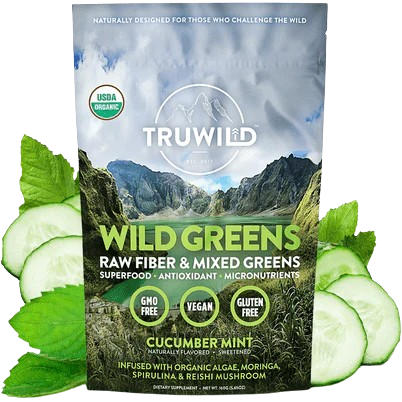
Raw Fiber & Mixed Green Superfoods
- Wild Greens is a delicious superfood packed with essential micronutrients and antioxidants to help boost your body’s overall health.
- Filled with nutrient-dense organic mixed greens, algae, organic raw fiber, and adaptogens, Wild Greens is designed to bring balance to your day. It’s more than just greens, though.
- Their blend is designed to help elevate mood, reduce stress, and support healthy circulation.
- In fact, they use the highest concentrated bioavailable Ashwagandha KSM-66 on the market, in combination with other immunity-boosting and circulation-supporting adaptogens.
As studies continuously highlight the strong connection between the gut and the brain, fiber is recognized not only as a digestive aid but as a key nutrient for enhancing a healthier, more balanced routine from the inside out.
What Is Fibermaxxing?
Fibermaxxing is a nutritional trend that focuses on significantly increasing daily fiber consumption for digestive support, metabolic health, brain and cognitive health, as well as overall wellbeing. It emphasizes increasing high-fiber diet intake through whole foods such as vegetables, fruits, seeds, legumes, and whole grains rather than relying on supplements. By promoting a natural, high-fiber diet plan, this approach can support a sustainable gut microbiome while promoting satiety and overall wellbeing.
The gut microbiome is a massive community of trillions of microbes in your digestive tract, containing bacteria, viruses, fungi, and others that work collectively as a complex network. Fiber plays a critical role in maintaining a healthy balance within this system by supporting beneficial bacteria. Then, increasing your fiber intake is one of the most effective methods to help your gut health.
Fibermaxxing can help to your digestive and overall health, but maintaining a balance is important. Though the recommended daily fiber intake is 25 grams for women and 38 grams for men, constant use of fiber up to 40 to 60 grams can create digestive discomfort such as bloating, gas, constipation, or diarrhea, specifically when fiber is increased rapidly. Instead of targeting heavy amounts, it is healthier to enhance fiber gradually through balanced meals and proper hydration, which allows the body to adjust and is useful for a long-time.
Why Fibermaxxing Diet is Trending?
Fibermaxxng has gained recognition as an attractive solution for gut health, and its effectiveness on overall wellbeing continues to grow. Gradually, people have come to understand that the gut plays a crucial role not only in digestion, but also in mood regulation, the immune system, and brain health. Social media platforms have also intensified this trend, with influencers and health-conscious individuals sharing enthusiastic recipes, meal plans, and everyday tips and tricks for increasing daily fiber intake.
These viral posts boost others to adopt similar habits and make fiber-rich eating more accessible. Moreover, several individuals shift towards Fibermaxxing as part of a broader aspect in natural styles to health optimization and disease prevention, seeking to protect their bodies through nutrition rather than depending only on medication. Improved digestive system, better weight management, and improved fullness feelings are also key motivations, as fiber-rich foods can promote satiety and support bowel movement.
How Can Fiber Disturb Your Gut Health?
Fiber plays a crucial role in maintaining a healthy digestive system and supporting overall gut health. A series of different kinds of fibers perform their distinctive role inside the body, including soluble, insoluble, and prebiotic fibers.
- Soluble fiber dissolves in water to form a gel-like material that helps to slow digestion, normalizing blood sugar levels, and helps to fullness feeling.
- Insoluble fiber does not dissolve in water, and it adds bulk to stool, helping food move efficiently through the digestive tract and aiding daily bowel movements.
- Prebiotic fiber is a type of soluble fiber that supports the beneficial bacteria in the gut microbiome. Studies show that these healthy gut bacteria play a central role in the digestive system, immune function, and even mental wellbeing, making suitable fiber intake an important part of a balanced diet. Common foods contained prebiotic fiber include:
Garlic
Onion
Asparagus
Leeks
Jerusalem artichokes
Under-ripe (green) bananas
Whole oats
These foods promote the gut’s beneficial bacteria, supporting the digestive system and decreasing inflammation. Other soluble fibers that are not prebiotics can still deliver essential digestive and heart health benefits. These include psyllium husk, certain kinds of pectin, natural plant gums, and some fibers found in whole grains.
While these fibers don’t develop beneficial gut bacteria, they are a type of gel-like stuff that can help to alleviate constipation, support digestive health, and lower LDL “Bad” cholesterol levels. Insoluble fiber helps to move stuff through the digestive system and adds bulk to stool is often found in higher amounts in the following types of foods:
- Green beans
- Cruciferous vegetables (broccoli, cauliflower, Brussels sprouts, etc.)
- Potatoes (especially with skin)
- Leafy greens (spinach, kale)
- Wheat bran and whole wheat products
- Brown rice and whole grains
- Nuts (almonds, walnuts)
- Seeds (sunflower, pumpkin)
- Beans and legumes
Several of the similar foods have both soluble and insoluble fibers. Regular intake of a high-fiber diet helps to promote the microflora range and makes it possible for a type of bacteria to develop in your gut. Studies connect gut microbiome diversity to improved digestive health, a strong immune system, and overall wellbeing.
How Is Gut Health Linked with Mental Health?
The stomach and brain are closely connected via a communication network known as the gut-brain axis. More than 100 million neurons line the digestive tract, forming the enteric nervous system, often referred to as the body’s second brain. Through passageways like the vagus nerve, the gut constantly communicates with the brain, influencing both physical and brain health. Beneficial gut bacteria are responsible for connecting by helping regulate key brain chemicals, including serotonin, dopamine, GABA, and cortisol, which impact mood, concentration, stress response, and emotional balance.
Studies indicate that an unhealthy gut microbiome, recognized as dysbiosis, may be interlinked to anxiety, depression, inflammation, blood sugar variability, and weakened mental function. Fiber helps to this system by delivering the main fuel source for healthy gut bacteria, supporting for maintaining a balanced microbiome, and promoting strong energy, lower inflammation, and improved overall health. However, fiber is not a healing solution for mental health conditions; it remains a key factor in a holistic approach to support brain and emotional wellness.
How to increase daily fiber intake naturally?
Increasing daily fiber intake is one of the best methods to help your digestion, heart health, and overall wellbeing. The wise approach is to add more whole plant foods to your meals, such as legumes, whole grains, vegetables, fruits, nuts, and seeds. Effective changes such as replacing refined grains with whole grains or adding an extra serving of vegetables to lunch and dinner may help to your body to adjust simply and reduce the risk of bloating or digestive uneasiness
What are the Potential Health Benefits of Fibermaxxing?
Fibermaxxing provides several health benefits, which may include as follows:
- An improved digestive system helps to support regular bowel movements.
- Increased satiety, which helps to decrease overeating and promote a balanced eating habit
- Improved blood sugar levels by promoting healthier vitality levels and mood stability
- Fibermaxxing improves the microbiome by developing beneficial gut bacteria and promoting greater microbial diversity
- Reduces gut inflammation, which may help to enhance mental health and overall wellbeing
- Improved heart health by reducing LDL “Bad” cholesterol levels
- Better nutrient absorption and digestive efficacy
- Fibermaxxing helps with natural weight management by supporting fullness and reducing irregular snacking
- Fibermaxxing provides constant energy during the whole day due to slower digestion and balanced glucose levels
- Support overall mental health through the gut-brain link and healthier microbiome function
Potential Drawback of Fibermaxxing?
Although fibermaxxing intake provides several health benefits, consuming excessive fiber can cause many health concerns, including:
- Abdominal bloating that can create pain and tightness
- It can create an extra gas problem during ingestion
- Interference with the absorption of nutrients, whereby extra fiber can decrease the absorption of essential minerals.
- Gastrointestinal uneasiness that can include irregular bowel movement and cramping
- IBS-linked digestive discomfort
- Digestive uneasiness that can overcome the gut when fiber consumption is enhanced instantly
However, you can reduce these drawbacks gradually by increasing fiber in your diet plan, which can allow your digestive system to adjust slowly and maintain comfort.
What is the Recommended Fiber Intake?
Below is the complete fiber intake recommendation for US adults.
Women age 50 or younger – 25 grams per day
Men age 50 or younger – 38 grams per day
Women above 50 years old – 21 grams per day
Men above 50 years old – 30 grams per day
Conclusion
Finally, it may be the best choice to avoid extreme “Fibermaxxing” trends and instead adopt a more balanced, long-term approach to nutrition. Gradually increasing a high fiber diet/foods intake, such as fruits, vegetables, legumes, and whole grains, is a cautious and effective choice to address your daily needs without devastating the digestive system. Emphasizing stable dietary changes, proper hydration, and overall nutritional balance can help to boost long-term digestive health and overall wellbeing.
Frequently Asked Questions:
Is fibermaxxing safe?
Yes! Increasing fiber intake through whole foods is safe. However, when increased suddenly or too quickly, it can cause bloating, gas, or digestive discomfort.
How much fiber is recommended?
The recommended level of fiber intake is 25 to 38 grams daily, depending on your age or sex.
Does Fiber enhance mental health?
Fiber provides direct support to your gut health, which is closely interlinked with your brain and mental health. If you’re taking a fiber-free diet, consuming more fiber-rich foods may potentially enhance your mental health.